Mansions converted into hotels
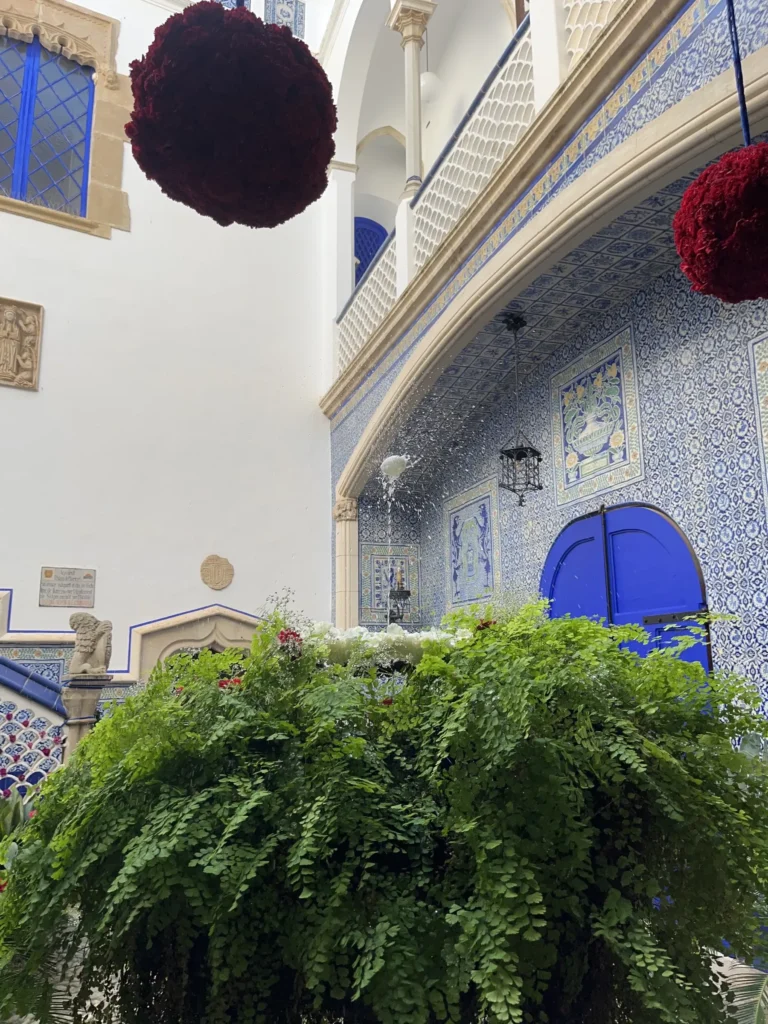
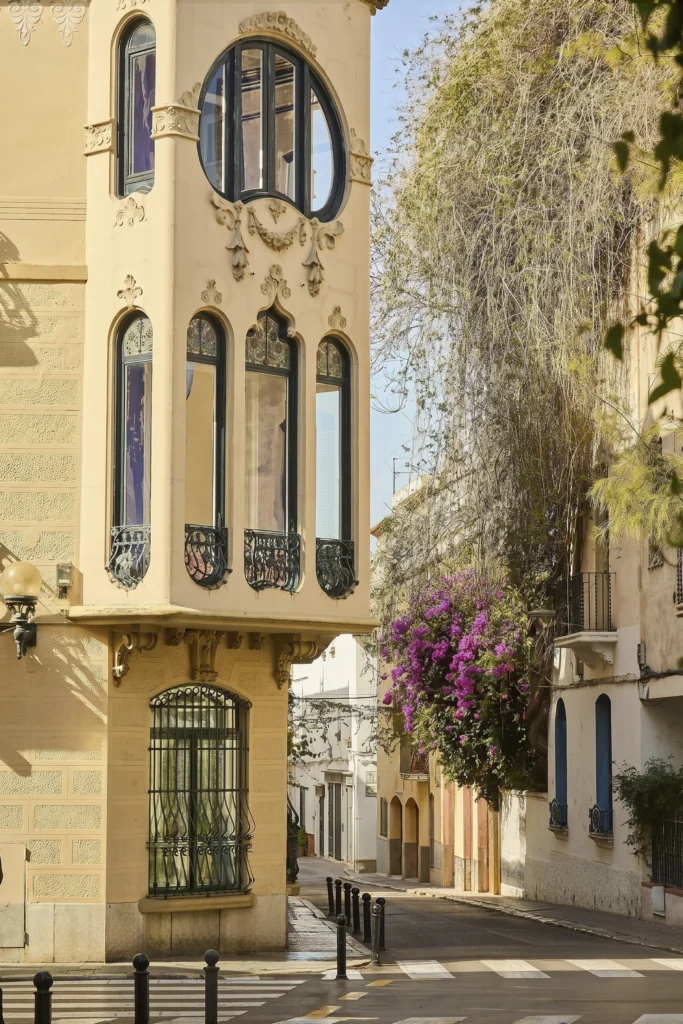
Many of these mansions are now charming hotels, with hydraulic tile floors and gardens where you can disconnect… or connect. In any case, even visiting these houses from the outside is a delight of shapes and colours. You already know we’re not great fans of mapping out specific routes for you, but a good starting point would be Plaça Eduard Maristany, next to the train station. From there, we can leisurely wander around this area, which buzzes intensely on a social and commercial level (it offers fantastic bars and restaurants) and which, as we were saying, is dotted with magnificent villas belonging to the ‘Americanos’, many converted into hotels with (a great deal of) charm. The main streets in this regard are Francesc Gumà, Illa de Cuba and Sant Bartomeu, all parallel to one another, and the streets Artur Carbonell, Sant Isidre, Gaudenci and Jesús, which cross them transversally. On this urban island, there is a mansion at every turn. Just to give a few examples: Casa Pere Carreras, Celler Rafael Llopart (an old winery that provided muscatel to the royal household in the late 19th century), Casa Antoni Carreres (Hotel Sitges Royal Rooms), Casa Sebastià Sans (Hotel Sitges 1883), Casa Antoni Robert (Hotel Medium Renaixença), Casa Manuel Planas (Hotel Noucentista) or the impressive Casa Villa Avelina, which houses the current Hotel El Xalet.
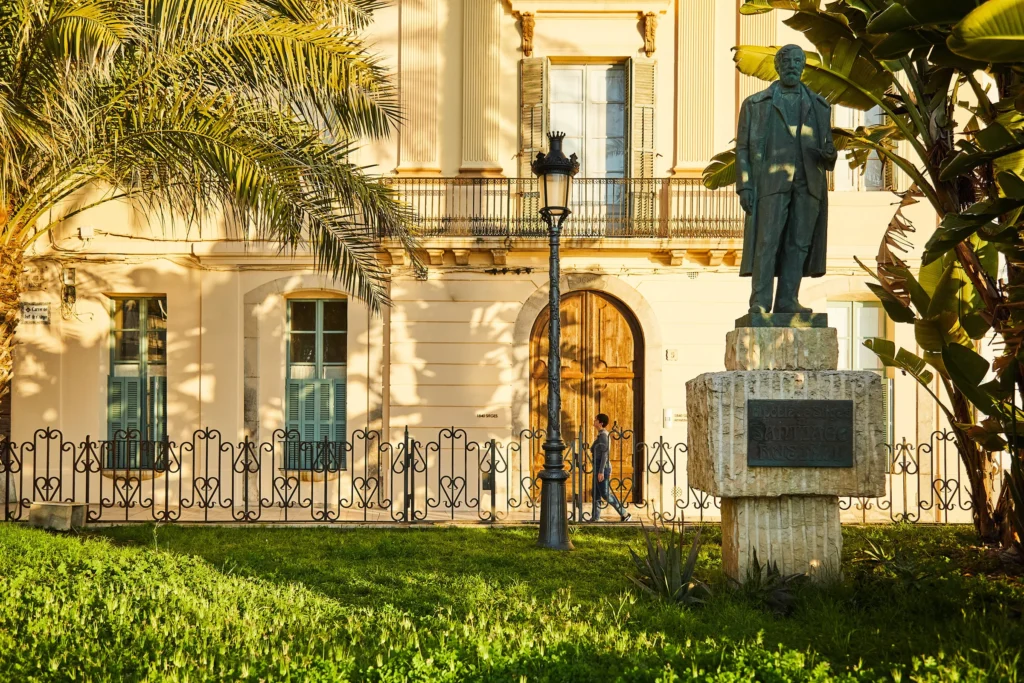
Houses of the Americanos in Sitges near the sea
As we get closer to the sea, an equidistant point — and an obligatory stop — is the Casa de Bartomeu Carbonell, also known as the ‘Casa del Reloj’ (House of the Clock), notable for its tower. And right opposite the seafront promenade, at the junction of Passeig de la Ribera and Carrer de Sant Pau, the Casa Simó Llaurador, home to the current Hotel Celimar, deserves a breezy stop. This mansion, with a roof shaped like frothy waves, is a paradigmatic example of the Americanos’ way of being and, by direct inheritance, of all the people of Sitges: a love of art, of their own town and of the sea. And a love, of course — you know us by now — for sharing it with you.