It all began in the 11th century.
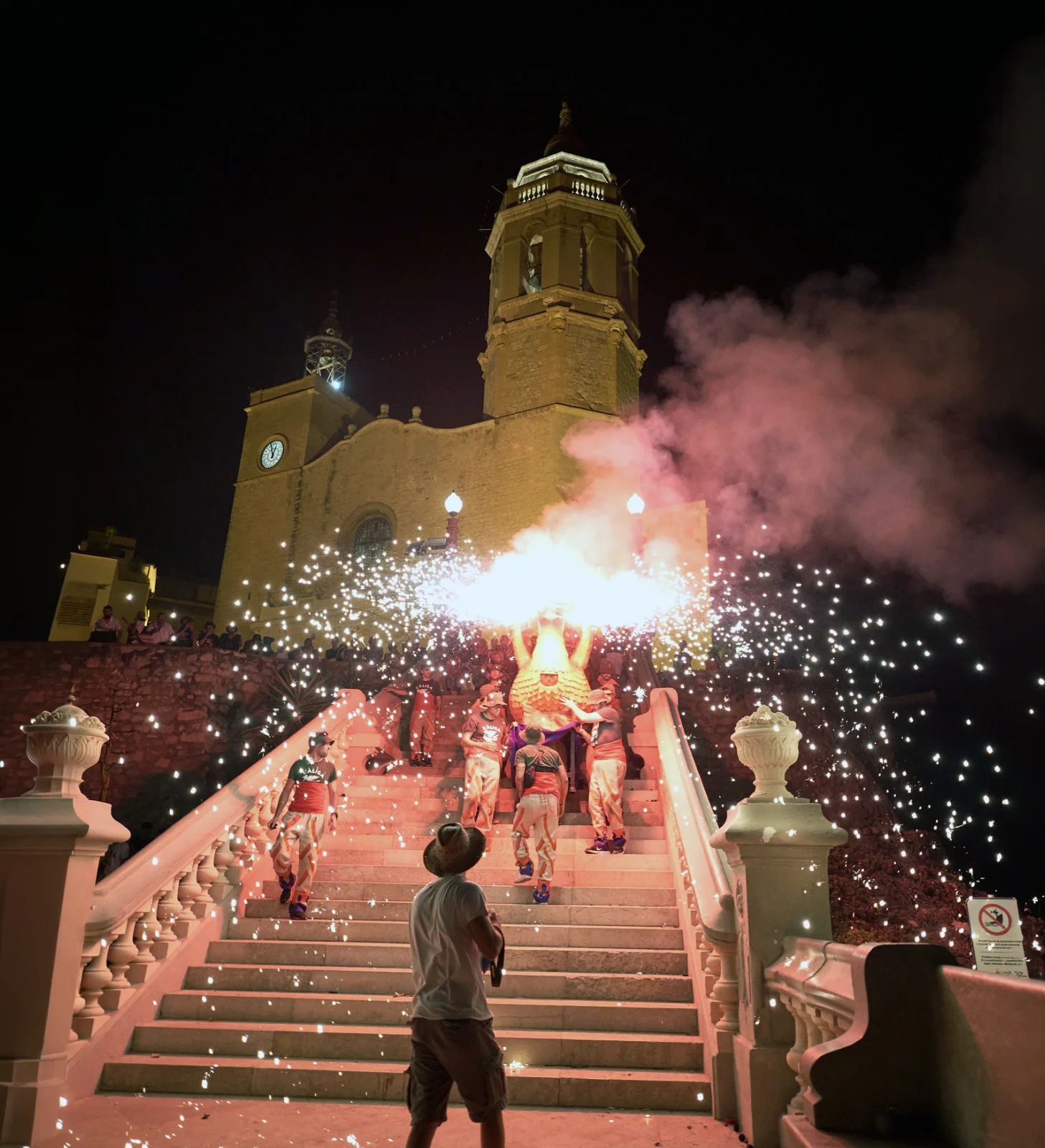
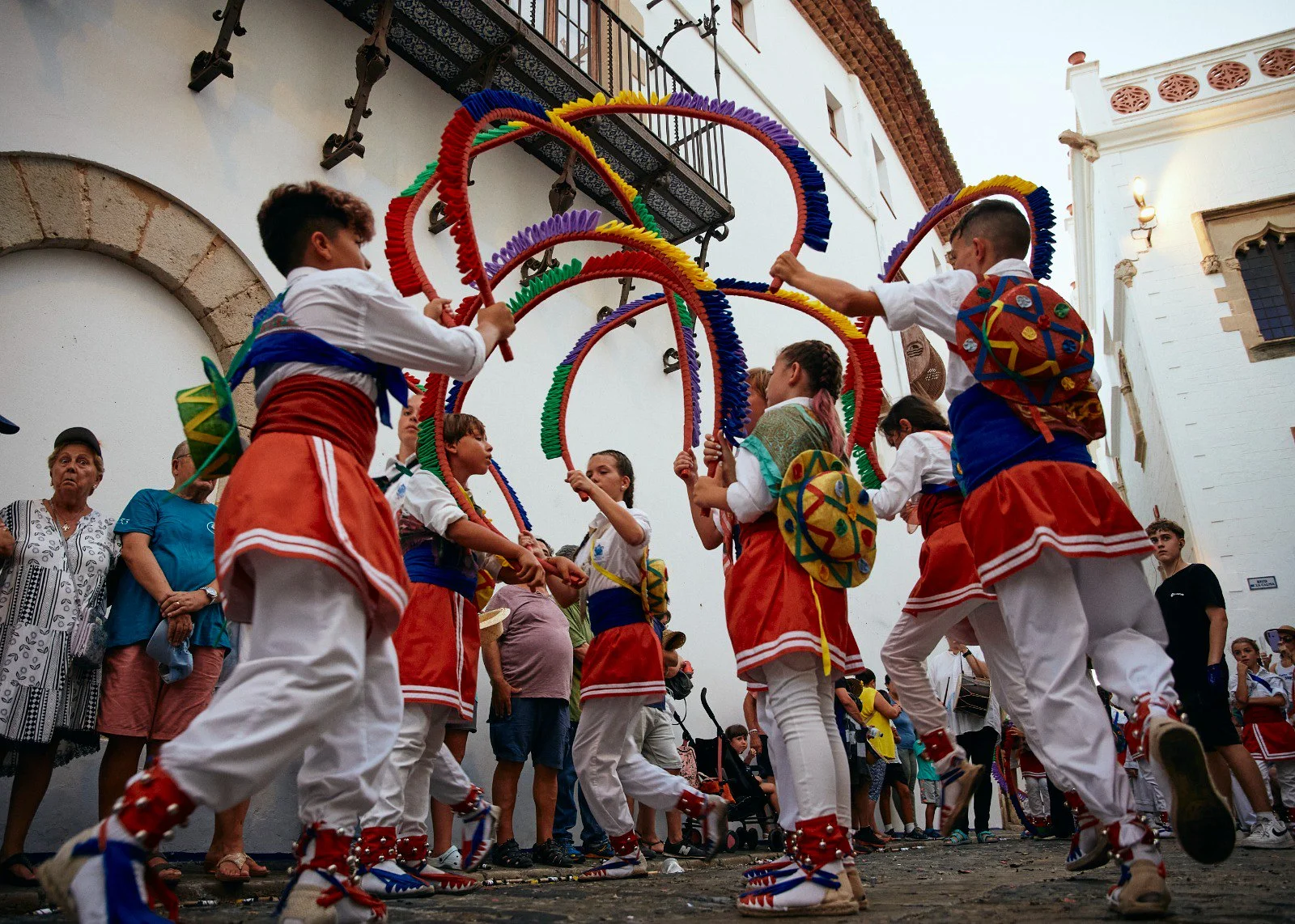
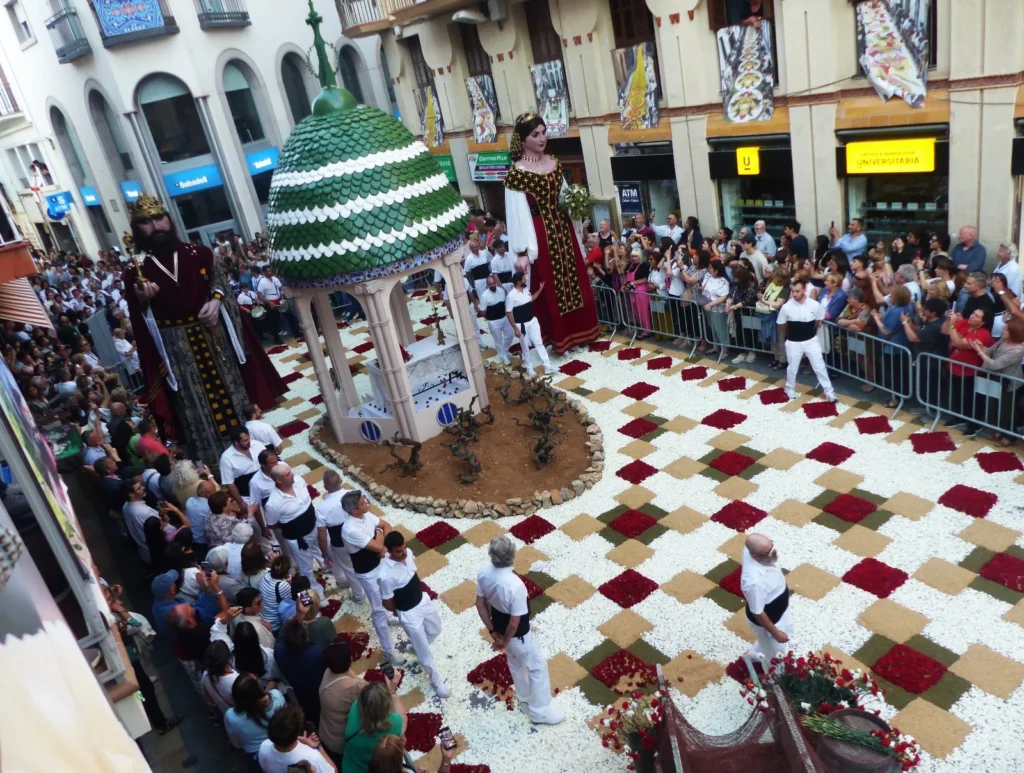
Let’s take it step by step. The tradition of Corpus Christi: the first documentary reference to the celebration of Corpus de Sitges (Corpus Christi in Sitges) dates back to 1358. Little by little, the liturgical events of the celebration — with the Corpus Christi procession as the main and most solemn act — were joined by a playful component, very typical of Sitges, with the participation of locals, gegants (giants) and bèsties de foc (fire beasts), the latter ‘armed’ with carnations instead of firecrackers… Tradition and joy, also very typical here. As for the flowers: as far back as the 19th century, locals were invited to decorate their balconies with flowers and to garland their façades. Then the streets were carpeted. And, truly, it is a unique spectacle in Catalonia and the Mediterranean. If you have the chance to come to Sitges in June and it coincides with Corpus Christi, you will see that this festival is special.
The carnation, the main protagonist of Corpus Christi in Sitges
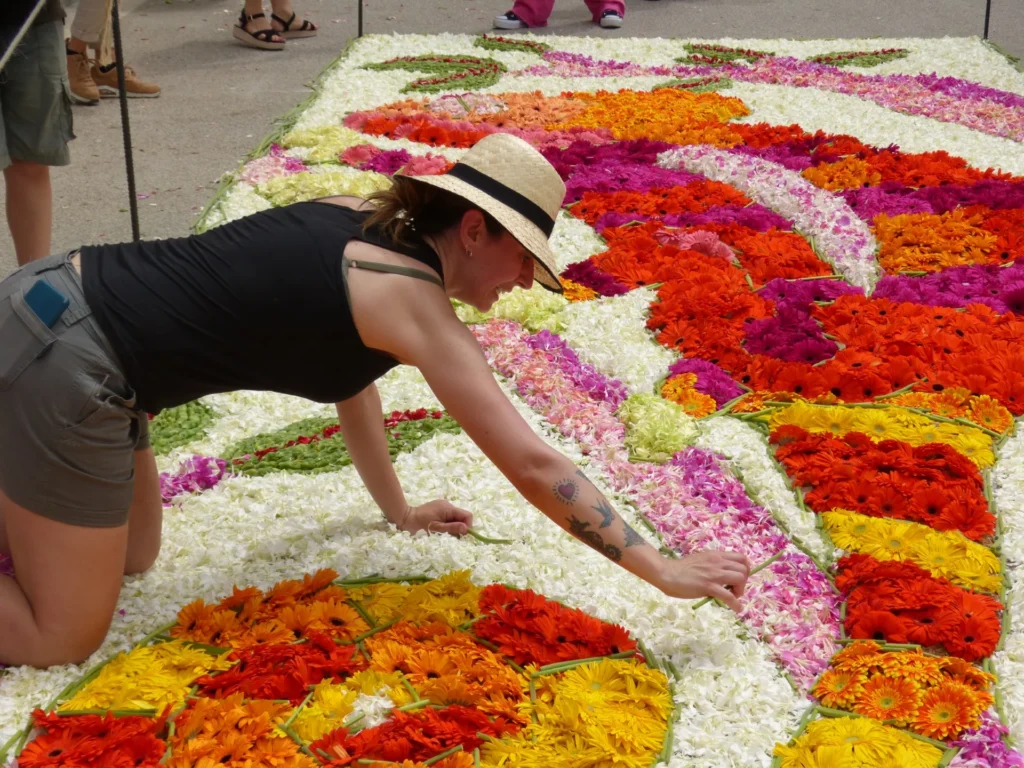
The carnation is undoubtedly the star flower of the carpets. The creation process begins with the design idea, which, once validated, is drawn with outlines on the street itself during the night. The process continues the next morning, first thing, when the locals themselves fill in those outlines with the planned floral arrangement. On some streets in Sitges it is done the night before, while on others it is done on the morning of Corpus Christi Sunday itself. In both cases, locals of all ages participate. The result… you only have to look at the photos.
L’Ou com balla (The Dancing Egg)
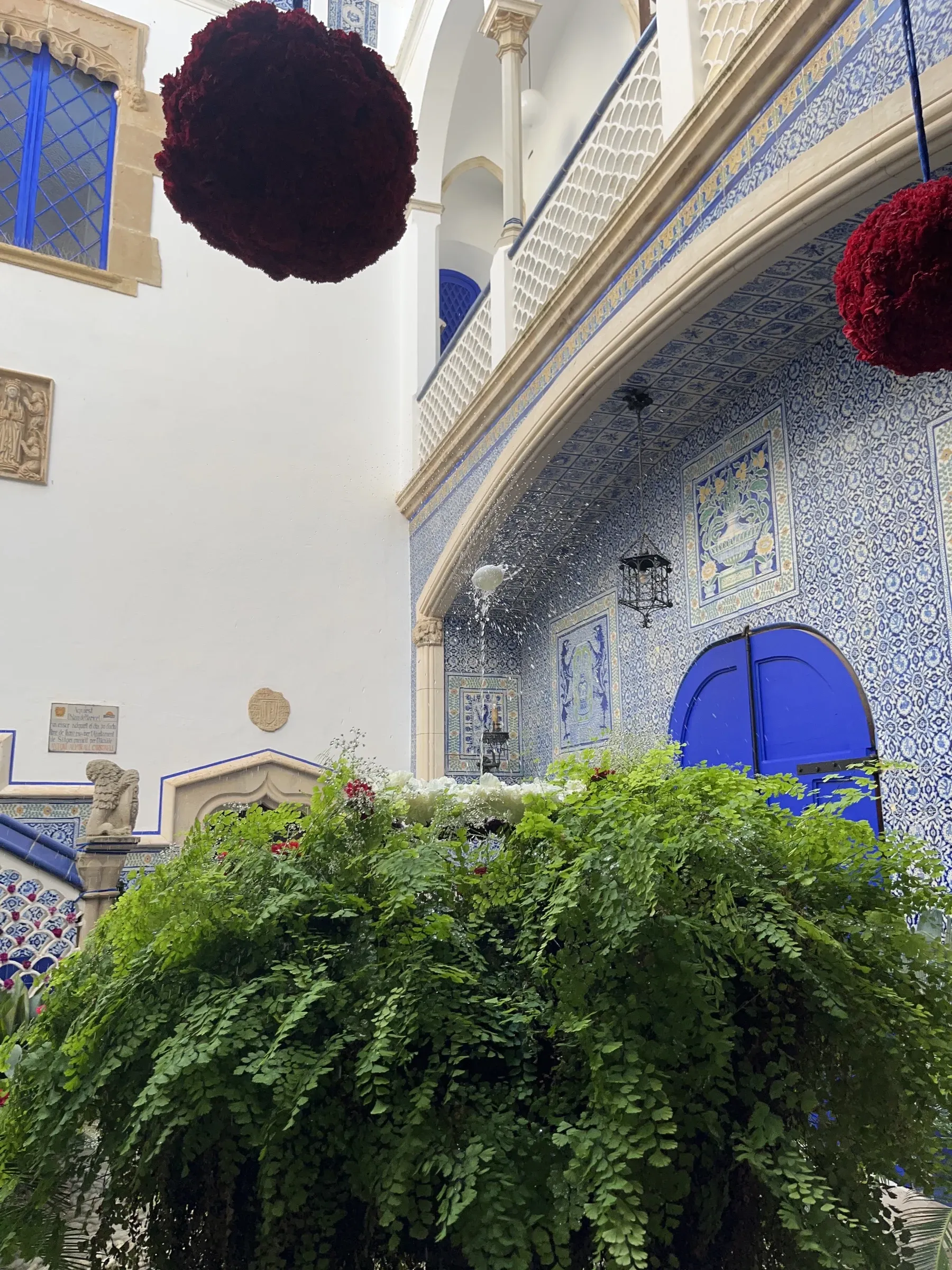
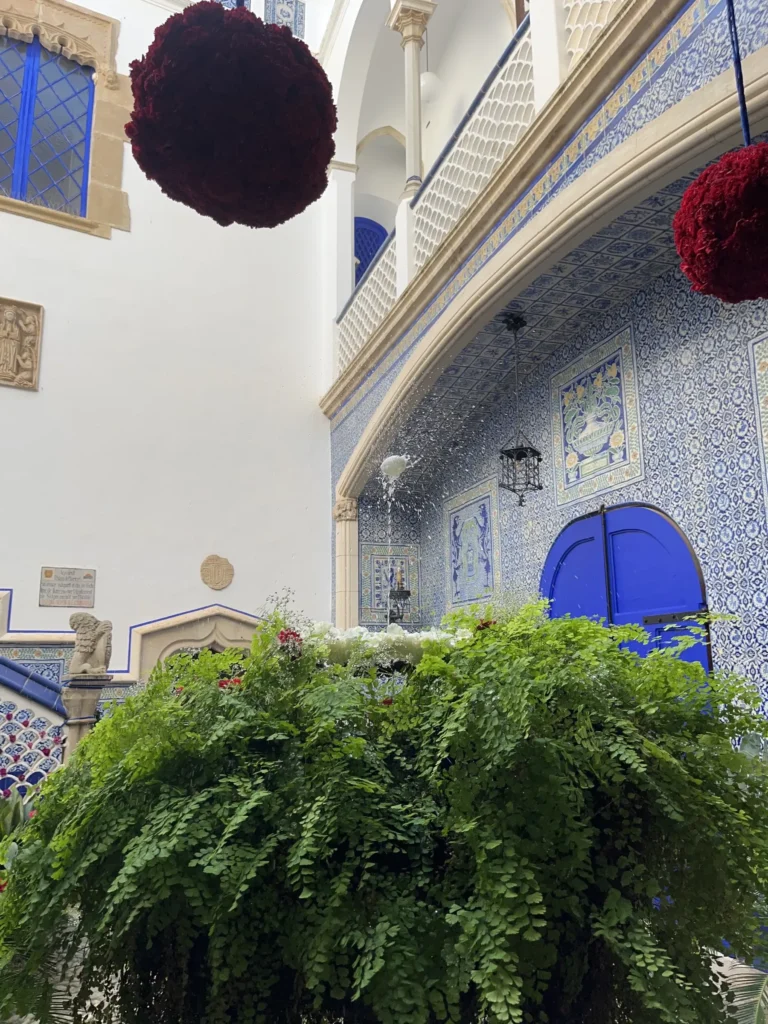
Also on Sunday is another unmissable Corpus Christi event. Apart from flowers, the procession, gegants (giants) and bèsties de foc (fire beasts)… there is the dancing egg . Yes, we are talking about another tradition documented since 1886. ‘L’Ou com balla’ (the dancing egg) can be seen (careful, it’s hypnotic) in the spectacular fountain at the entrance of the equally spectacular Palau de Maricel .